
Understanding Coir Bristle Fiber and Brushes: Varieties, Uses, and Quality Control
Data packed analysis of Coir Bristle Fiber and their characteristics and uses.
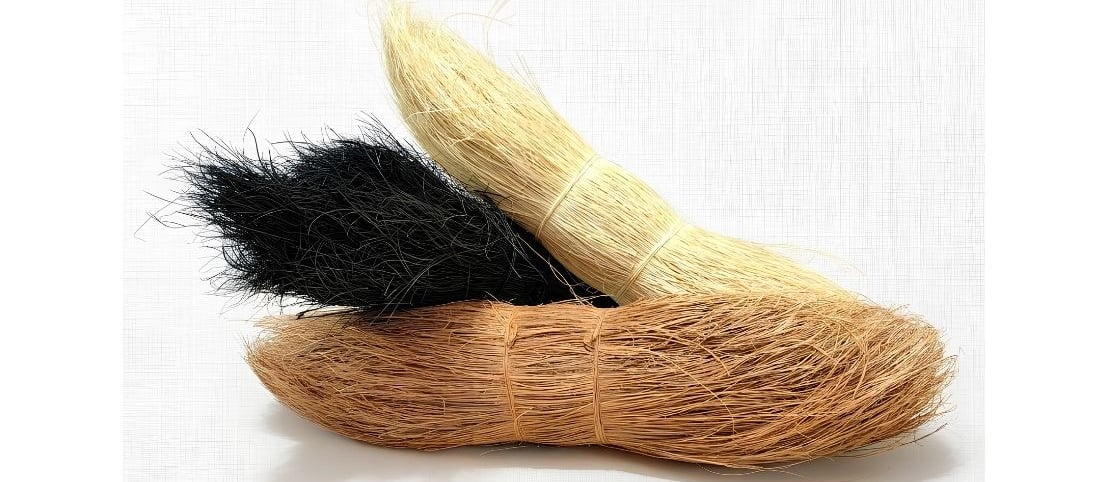
Introduction to Coir Bristle Fiber
Coir bristle fiber is a natural material derived from the husks of coconuts, primarily sourced from coconuts harvested in tropical regions. Coir, the fibrous husk, is harvested during the processing of coconuts and is known for its resilience, durability, and versatility. The transformation process involves extracting the coir fibers and processing them into bristles that can be utilized in the manufacturing of brushes.
The processing of coir bristle fiber begins with the retting of coconut husks. This method involves soaking the husks in water to loosen the fibers, making it easier to separate them. After extraction, the fibers are dried and sorted according to their length and thickness. The finest grades are often selected for higher quality applications, such as brush manufacturing. This care in processing ensures that the final product meets the necessary standards for strength and stiffness required in various brushes.
One of the significant advantages of coir bristle fiber is its sustainability. As a natural product, coir is biodegradable and environmentally friendly. The process of harvesting coir also makes use of what would otherwise be agricultural waste, thereby promoting ecological balance. Unlike synthetic fibers, which are derived from non-renewable resources, coir provides an eco-conscious alternative. Its production supports not only sustainable practices but also the local economies of coconut-growing regions. Consequently, coir bristle fiber has gained popularity in a wide range of applications, from household cleaning brushes to industrial uses.
In summary, coir bristle fiber is a valuable natural material extracted from coconut husks, which undergoes a meticulous transformation process to become suitable for brush manufacturing. Its sustainable characteristics further enhance its appeal, making it a preferred choice in today’s eco-conscious market.
Varieties of Coir Brushes: Colors and Cut Lengths
Coir brushes, crafted from coconut husk fibers, represent a versatile cleaning solution utilized in various applications ranging from household cleaning to industrial use. They are available in a plethora of colors and cut lengths, catering to both functionality and aesthetic preferences.
The color options for coir brushes are diverse, often dictated by the natural dyes used during production. Predominantly, coir brushes can be found in shades of brown, beige, and green, which align with eco-friendly and sustainable practices. The coloration not only enhances the visual appeal of the brush but also can play a functional role; for instance, specific colors may be less likely to show dirt or wear over time, making them practical for ongoing use.
Cut lengths of coir fibers also vary, impacting the brush's overall efficacy. Short cut lengths, generally about 1 to 2 inches, create a dense and stiff bristle that is suitable for heavy-duty scrubbing tasks or aggressive cleaning on tough surfaces. Conversely, longer cut lengths, typically in the range of 2 to 4 inches, provide a softer and more flexible bristle that is ideal for gentle cleaning applications or for use on sensitive surfaces. This distinction is crucial for users seeking the appropriate tool tailored to their cleaning requirements.
In addition to personal choice, the selection of coir brush color and cut length has practical implications in industrial environments, where specific attributes may be necessary for certain cleaning processes. By offering customizable options in both aesthetic and functional capacities, coir brushes not only meet a wide range of user needs but also stand out as a prominent choice among various cleaning tools available today. This combination of colors and tactile properties enhances both the appeal and versatility of coir brushes in the marketplace.
Interested in Buying Coir Bristle Fiber or Brushes? Contact Us Now
Quality Levels of Coir Fiber and Control of Moisture
Coir fiber, derived from the husk of coconuts, is available in various quality levels that significantly influence its performance in applications such as brushes, mats, and other biodegradable products. The quality of coir fiber is primarily determined by factors such as the age of the coconuts, the method of extraction, and the processing techniques employed. For instance, mature coconuts tend to produce coarser fibers, while younger ones yield softer varieties. Additionally, a crucial aspect affecting the quality is the residual moisture content, as proper moisture control is essential during the storage and production phases.
Moisture can adversely affect coir fibers, leading to issues such as mold growth, reduced durability, and compromised integrity. Therefore, it is paramount to implement effective moisture management practices throughout the lifecycle of coir fiber production. These practices involve rigorous monitoring of humidity levels, along with the use of appropriate drying techniques post-extraction. For instance, air drying in controlled conditions reduces the moisture content to optimal levels, enhancing fiber strength and longevity.
Our commitment to quality is evident in the advanced methods we utilize for moisture control. By leveraging state-of-the-art technology, we ensure that our coir fibers maintain a consistently low moisture level, reinforcing their quality and reliability. Implementing regular quality checks and adhering to industry standards allow us to provide products that meet stringent market demands. In conclusion, understanding the quality levels of coir fibers and the significance of moisture control is essential for manufacturers and consumers alike, leading to superior products that withstand the test of time.
Uses and Popularity of Coir Brushes in Different Countries
Coir brushes are versatile tools that have gained popularity across various industries due to their unique properties and sustainable origins. Derived from the fibrous husk of coconuts, these brushes are not only effective for cleaning but also environmentally friendly, appealing to consumers and businesses alike. One of the primary uses of coir brushes lies in the cleaning industry where they are favored for their ability to scrub and clean a variety of surfaces without causing damage. They are commonly used in household cleaning products such as brooms, scrub brushes, and hand-held cleaning tools.
In gardening and agriculture, coir brushes serve multiple functions, including root cleaning and weed control. Their robust structure allows for effective soil preparation, making them a favorite among gardeners for outdoor and indoor plant maintenance. The natural moisture retention properties of coir also enhance their appeal, fostering healthier plant growth.
Geographically, coir brushes are especially popular in countries such as India, where coir fiber production is substantial due to the abundance of coconuts. These brushes are widely used both domestically and commercially, reflecting a strong cultural integration and namely Tawashi Brushes in Japan. In European countries like Germany and the Netherlands, coir brushes are embraced for sustainable cleaning solutions, aligning with the region’s push toward eco-friendly products. Additionally, in the United States, the demand for coir brushes is steadily increasing as consumers become more aware of sustainability and environmental responsibility, influencing market trends favorably.
In conclusion, the diverse uses of coir brushes span multiple industries and regions, demonstrating their versatility and appeal. As consumer preferences shift towards sustainability, the demand for coir-based products is expected to increase, solidifying their place in global markets.