Exploring Coco Peat: Properties, Uses, and Packing Methods
Learn more about Coco Coir or Coco Peat. Farmers ultimate knowledge hub on Coco Coir.
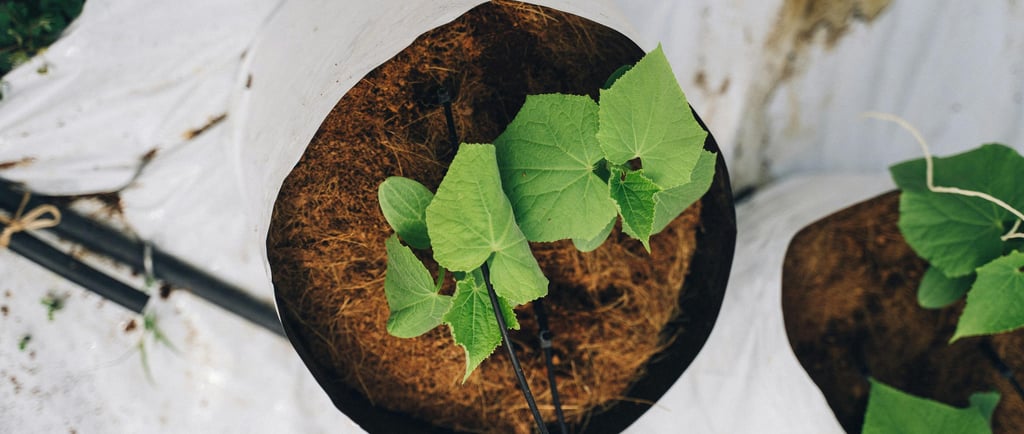
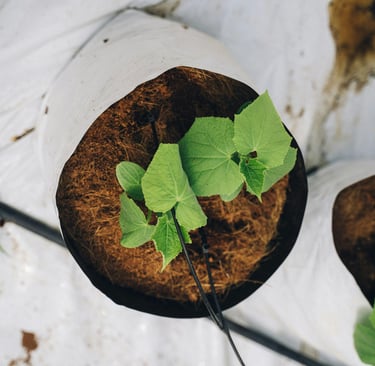
Understanding Coco Peat: What is it?
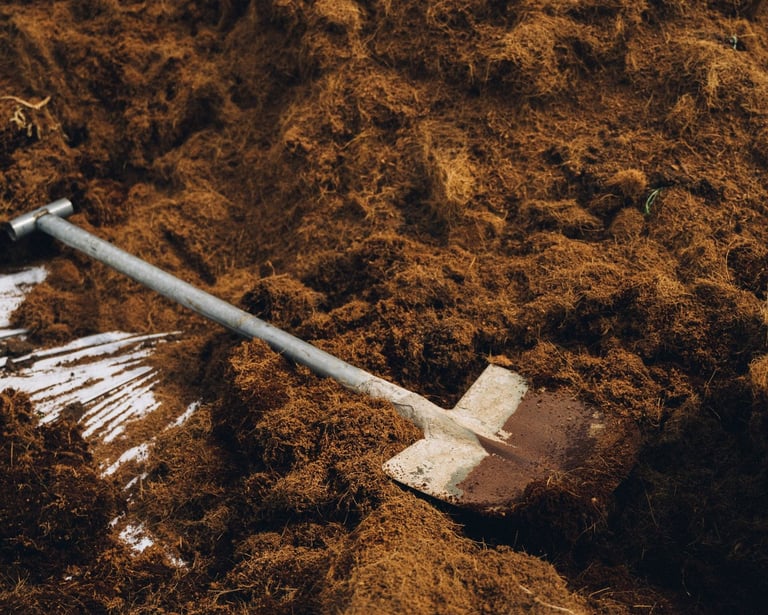
Coco peat, often referred to as coir pith or coco coir, is a natural, renewable growing medium derived from the fibrous husk of coconuts. It is a byproduct of the coconut industry, where the husk is processed to extract fibers used in various applications, including ropes, mats, and brushes. The remaining pith, known as coco peat, is then collected to serve as an eco-friendly horticultural substrate.
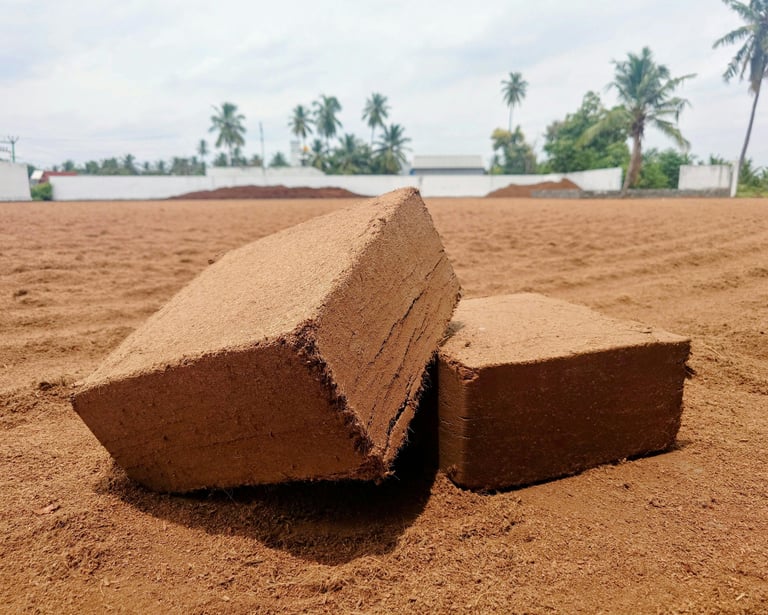
The extraction of coco peat occurs through a systematic process where the coconut husks are soaked in water and then mechanically processed to separate the fibers from the pith. This material is then dried and sometimes compressed into bales for easier handling and transportation. The natural traits of coco peat make it an optimal choice for various gardening and agricultural purposes.
One notable characteristic of coco peat is its remarkable ability to retain moisture while providing good aeration. The texture of coco peat is light and fluffy, offering excellent drainage and preventing soil compaction, which is crucial for root development. Furthermore, coco peat is naturally resistant to pests and diseases, making it an advantageous option for organic gardening.
In terms of composition, coco peat contains approximately 35% lignin, which provides structural integrity, and 65% organic material, leading to profound nutrient retention capabilities. Available in various grades, coco peat can be found in fine to coarse textures, accommodating different planting needs and preferences. The color ranges from light brown to dark brown, depending on the degree of processing. Overall, understanding the properties of coco peat is essential for anyone interested in sustainable gardening practices or seeking an effective growing medium for their plants.
Interested in Buying Coco Coir? Contact Us Now
Diverse Uses of Coco Peat
Coco peat, also known as coir pith or coir dust, has gained recognition for its versatility in various applications, primarily due to its impressive properties as a growing medium. One of the primary uses of coco peat is in horticulture, where it serves as an exceptional soil amendment. When blended with traditional soil, coco peat improves aeration, encourages root growth, and enhances moisture retention, making it an ideal choice for both amateur and professional gardeners.
In gardening, coco peat is often utilized as a standalone growing medium. Its lightweight nature and excellent water retention capacity ensure that plants receive the moisture they need without becoming waterlogged. This quality makes coco peat particularly beneficial for container gardening, where adequate drainage and oxygen access to the roots are crucial. Additionally, its neutral pH level renders it suitable for a vast array of plants, promoting healthy growth in flowers, vegetables, and herbs alike.
Beyond individual gardening, coco peat finds extensive applications in commercial farming. It is frequently employed to improve soil aeration and moisture retention in large-scale agricultural operations. Farmers incorporate coco peat into their soil management strategies to increase crop yields, optimize irrigation efficiency, and reduce dependency on synthetic fertilizers and amendments.
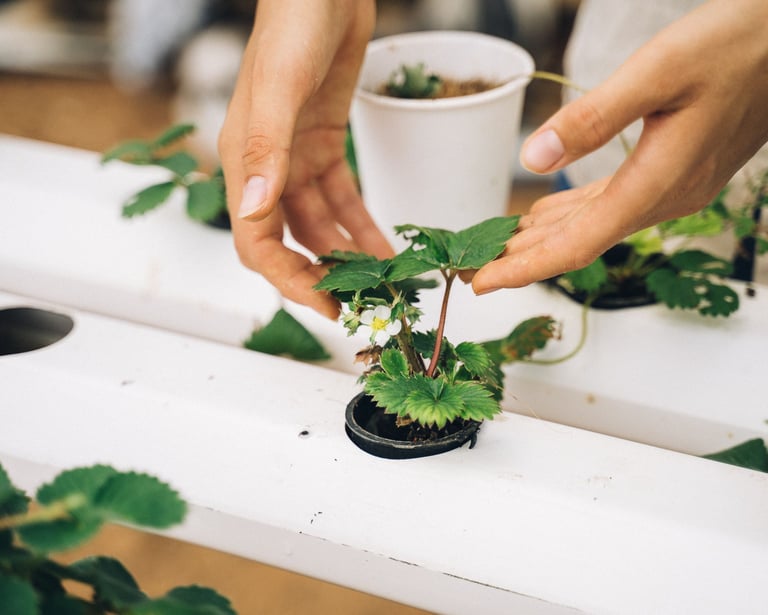
Furthermore, coco peat plays a significant role in ecological gardening and sustainable landscaping practices. Its biodegradable nature makes it a perfect choice for environmentally conscious gardeners seeking to minimize their ecological footprint. In hydroponic systems, coco peat acts as an effective substrate, providing an ideal environment for plant roots to thrive. These diverse uses underscore coco peat's growing significance in both traditional and innovative farming methods, highlighting its potential to support sustainable agricultural practices worldwide.
Packing Methods: Versatile Formats of Coco Peat
Coco peat, a versatile and sustainable growing medium, is available in several packing formats that cater to diverse needs. Understanding these packing methods can enhance the ease of transportation, convenience, and adaptability in usage across gardening and agriculture. Among the most common formats are coco peat blocks, grow bags, discs, and loose packages.
Coco peat blocks are compact and often available in various sizes. They are typically compressed to reduce shipping costs and space. When needed, these blocks expand significantly when water is added, making them a practical choice for gardeners who require a lightweight medium that is easy to handle. The efficiency of blocks in terms of transportation is particularly valuable for large scale operations.
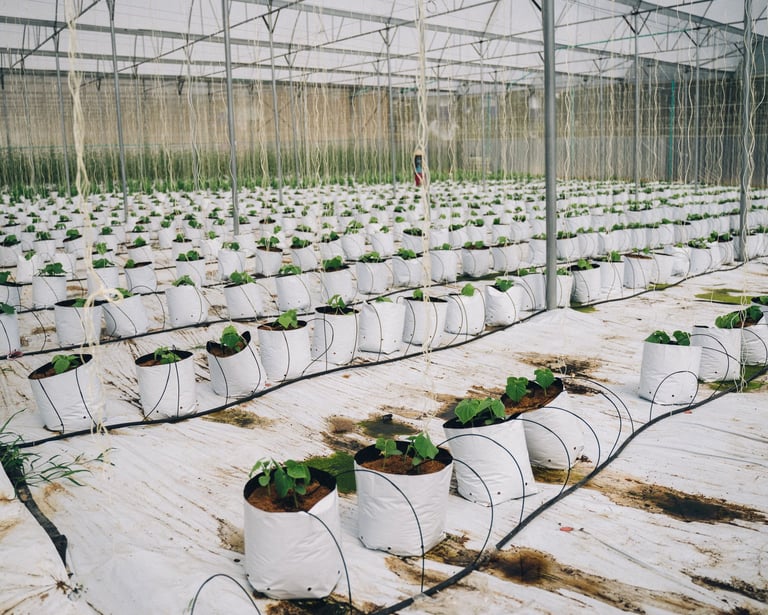
Another popular format is the grow bag, which is pre-filled with coco peat and ready for planting. These bags offer convenience for both professional and amateur gardeners. Grow bags are portable and provide excellent aeration and drainage, which are beneficial for the healthy growth of plants. The ready-to-use nature of grow bags makes them ideal for indoor and outdoor gardening alike.
Interested in Buying Coco Coir? Contact Us Now
Coco peat discs, which are smaller and thinner than blocks, serve as a flexible option for seed starters and smaller garden projects. These discs are easy to store, transport, and apply. When moistened, they quickly expand, providing an ideal environment for germination.
Loose coco peat is also available for those who prefer custom mixes or larger volume needs. This format allows users to adjust the quantity according to specific gardening requirements. The versatility of loose coco peat makes it suitable for various applications, from potting to hydroponics.
In summary, each packing method of coco peat—be it blocks, grow bags, discs, or loose packages—offers unique advantages that enhance convenience, transportation, and versatility in usage. Understanding these formats helps users choose the most suitable option for their gardening needs.
Advantages of Using Coco Peat
Coco peat, derived from the coconut pith, has emerged as a beneficial medium in various agricultural and gardening applications due to its unique properties. One of the primary advantages of using coco peat is its high moisture retention capability. With a significant ability to absorb water, coco peat ensures that plants maintain optimal moisture levels, which is particularly advantageous during dry spells or in arid regions where water conservation is paramount.
In addition to moisture retention, coco peat provides excellent aeration, promoting healthy root development. Its fibrous structure allows for adequate air pockets, ensuring roots receive the oxygen necessary for growth. This quality also aids in preventing root rot, a common issue with overly compacted growing mediums. Plants grown in coco peat tend to exhibit enhanced growth and vitality, underscoring its effectiveness as a growing medium.
Environmental sustainability is another crucial advantage of coco peat. As a byproduct of the coconut industry, it is an eco-friendly alternative to peat moss and other non-renewable materials. The use of coco peat not only reduces waste but also supports sustainable agricultural practices. The global demand for coco peat has increased as gardeners and farmers recognize its benefits and seek more sustainable options.
Cost-effectiveness is an essential consideration in modern gardening and agriculture. Coco peat is relatively inexpensive, providing an affordable option for bulk purchases. Its longevity and reusability further enhance its economic viability, making it an attractive choice for both commercial growers and hobbyists alike. Incorporating coco peat into planting practices can lead to improved plant health, ensuring that crops thrive in various growing conditions while also meeting the growing demand for sustainable agricultural resources.
Interested in Buying Coco Coir? Contact Us Now