
Exploring Coir Twine: Types, Strengths, and Global Applications
Knowledge sharing on Coir Twine, their uses, quality standards and how to buy your next twine with confidence. Hop Strings is another term for Coir Twine among many Hop Growers.
Introduction to Coir Twine
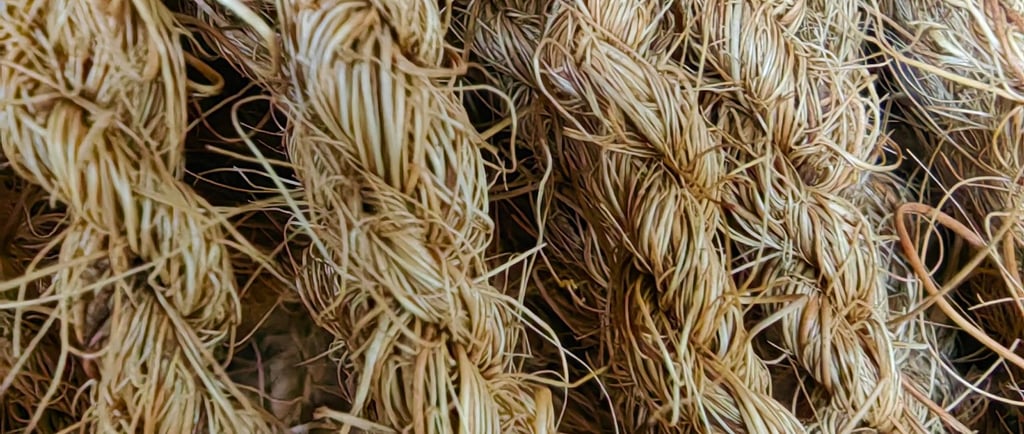
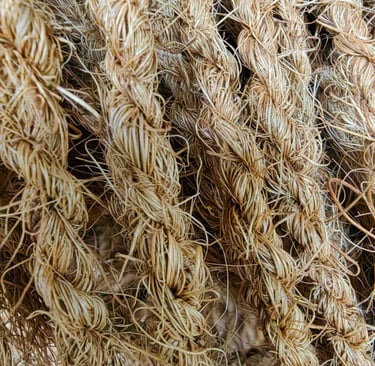
Coir twine is a natural fiber product made from the husk of coconuts, specifically derived from the outer shell or fibrous material that surrounds the coconut fruit. The term "coir" refers to the fibrous material extracted from coconut husks, which consists of long, hard fibers and a network of short fibers. This versatile material has gained considerable popularity in various industries due to its durability, moisture resistance, and eco-friendliness.
The production of coir twine involves several steps, starting with the harvesting of mature coconuts. The husks are then soaked in water to soften the fibers, which are subsequently separated, dried, and spun into twine. The strength of coir fibers is attributed to the unique structure and composition of the fibers, which are not only resilient but also biodegradable. This makes coir twine an excellent alternative to synthetic twines, especially in applications where environmental considerations are paramount.
Coir twine comes in various forms, including single-strand twine, multi-strand twine, and braided types, all of which vary in thickness and strength. Each type of twine serves distinct purposes, catering to diverse applications in agriculture, gardening, crafts, and construction. Its significant tensile strength makes coir twine ideal for securing plants in gardens, bundling hay, or even crafting ropes. Additionally, the aesthetic appeal of natural coir, with its earthy texture and color, adds to its desirability in ornamental and decorative projects.
Overall, coir twine not only showcases the remarkable versatility of coconut husks but also emphasizes the growing trend toward sustainable and biodegradable materials in various industries. This introduction sets the stage for a more in-depth exploration of different types of coir twine, their strengths, and their applications across the globe.
Interested in Buying Coir Twine? Contact Us Now
Types and Varieties of Coir Twine
Coir twine, derived from the outer husk of coconuts, has gained popularity in various industries due to its natural strength and environmentally friendly properties. This versatile material comes in several types and variations, each suited for different applications.
One prominent category of coir twine is the cotton-based variant. Known for its softness and flexibility, cotton coir twine is often used in gardening and crafting projects. It is gentle on plants and allows for easy manipulation, making it ideal for tying delicate seedlings or creating decorative items. The natural fibers in cotton coir twine offer excellent breathability, allowing moisture to escape while providing support to plants.
An alternative to cotton is nylon-based coir twine, which boasts enhanced durability and strength. This variant is particularly suited for outdoor applications, such as landscaping and agricultural settings. Nylon coir twine is resistant to rot, mildew, and UV rays, making it a dependable choice for long-term use. Its robust construction ensures that it can withstand harsh weather conditions while providing reliable support for plants and structures.
In addition to these common types, coir twine can also be found in varying thicknesses and twists, catering to specific needs in various industries. For instance, finer twines may be used for intricate crafting, while thicker options are preferable for heavy-duty lifting and securing larger items. These characteristics make coir twine a highly adaptable material that meets diverse demands.
Overall, the different types and varieties of coir twine exhibit unique qualities that enhance their utility across various applications, from horticulture to construction. Understanding the distinct characteristics of each type is essential for selecting the appropriate coir twine for specific projects or requirements.
Strengths and Advantages of Coir Twine
Coir twine, derived from the fibrous husk of coconuts, is renowned for its numerous strengths, making it a popular choice across various applications. One of the most notable qualities of coir twine is its impressive durability. Unlike synthetic alternatives, coir is less likely to degrade under physical strain, which makes it ideal for tasks that require robust support. Its inherent toughness allows it to withstand harsh outdoor conditions, which is particularly essential in gardening and agriculture.
Another significant advantage of coir twine is its biodegradability. As an organic material, coir decomposes naturally without contributing to environmental pollution, unlike synthetic materials that may take decades to decompose. This property not only appeals to environmentally-conscious consumers but also enhances soil fertility when the twine eventually breaks down. In addition, the ecological benefits of utilizing coir twine over synthetic options highlight its role in promoting sustainability in gardening and agricultural practices.
Moreover, coir twine exhibits excellent resistance to UV rays, which is crucial for outdoor applications where exposure to sunlight is inevitable. This resilience ensures that the twine maintains its structural integrity and color even after prolonged use in the sun, unlike many synthetic fibers that may fade or weaken over time. Additionally, coir twine is often more cost-effective than its synthetic counterparts, making it an economically viable option for gardeners, farmers, and crafters alike. Its combination of strength, durability, biodegradability, and eco-friendliness positions coir twine as a superior choice for a variety of projects, from garden tying to crafting, thereby promoting both functional and sustainable practices.
Interested in Buying Coir Twine? Contact Us Now
Global Uses and Considerations of Coir Twine
Coir twine has emerged as a versatile product used in various global sectors, primarily horticulture, agriculture, and handicrafts. The natural fiber extracted from coconut husks has shown a remarkable ability to cater to diverse applications, making it an essential resource in different geographical regions.
In horticulture, coir twine is predominantly used for supporting plants. It plays a vital role in vine cultivation, including tomatoes, cucumbers, and other climbing plants, wherein it provides necessary support while promoting organic farming practices. The use of coir twine aids in soil moisture retention and enhances the overall growth of plants by minimizing physical stress on their stems.
Agriculture is another field where coir twine finds notable application. It is often utilized in bundling harvested crops, tying up agricultural tools, and even as a natural alternative for gypsy moth traps. Coir's biodegradable nature renders it attractive for sustainable farming, especially among environmentally conscious farmers who prefer eco-friendly products over synthetic options. Furthermore, regions such as India, Sri Lanka, and the Philippines, which are major coconut-producing countries, show substantial engagement in coir production, promoting local economies through exports.
Coir twine is also recognized in the handicraft sector where artisans use it for creating decorative items, accessories, and home decor. The distinctive texture and durability of coir enhance the aesthetic appeal of crafted products. Various countries, particularly in Southeast Asia, benefit economically from coir handicrafts as unique cultural artifacts gain popularity among tourists and collectors worldwide.
Despite its advantages, coir twine has its limitations. The strength can vary significantly depending on the processing methods and quality of the raw material. Additionally, coir twine can be prone to degradation when exposed to excessive moisture, which might limit its long-term usability in specific conditions. Addressing these downsides is essential for maximizing the practical use of coir twine in various applications.